
Construction Safety Netting A Practical Guide for Safer Worksites
Construction sites look busy, loud, and sometimes a little chaotic. Behind that controlled chaos sits one clear goal. Everyone must go home safe. Construction Safety Netting plays a quiet but powerful role in making that goal possible. It protects workers, pedestrians, materials, and even project timelines.
This article explains construction safety netting in a clear and practical way. It focuses on real world use, verified facts, and trusted industry guidance. You will also find light humor because safety does not have to sound boring. Helmets already do that job well.
What Is Construction Safety Netting
Construction safety netting refers to protective mesh systems installed around or within construction sites. These nets prevent falling debris, reduce fall risks, and create safer working zones.
Most safety netting uses durable synthetic materials such as polypropylene or polyethylene. These materials resist weather, tension, and long term site exposure. Engineers and safety managers rely on these nets because they deliver consistent protection without slowing work.
According to guidance from the Occupational Safety and Health Administration and the International Labour Organization, fall protection systems reduce serious injuries and fatalities when installed and maintained correctly.
Why Construction Safety Netting Matters
Construction remains one of the highest risk industries worldwide. Data from the International Labour Organization shows that falls account for a significant portion of construction injuries.
Safety netting addresses several risks at once.
It stops tools and materials from falling onto workers or pedestrians.
It reduces the severity of falls from height.
It improves site organization and visual safety boundaries.
Think of safety netting as a silent coworker. It does not complain, it does not take breaks, and it always stays alert.
Types of Construction Safety Netting
Different construction tasks require different netting solutions. Using the right type improves safety and compliance.
Debris Safety Netting
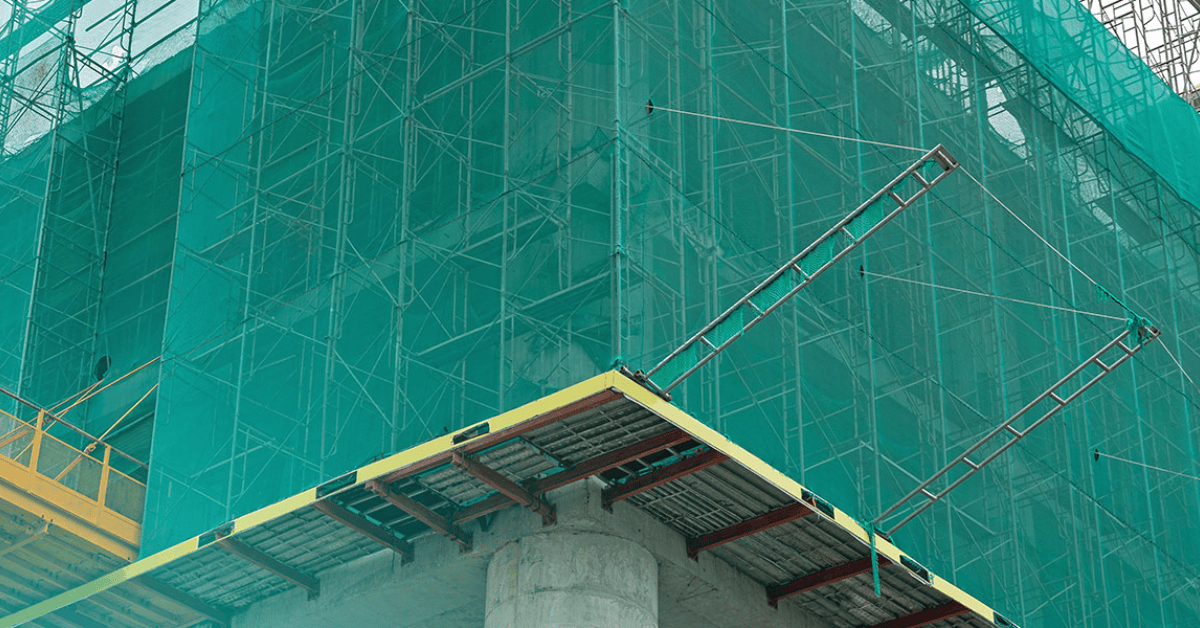
Debris netting wraps around scaffolding and building exteriors. It contains loose materials such as concrete chips, dust, and tools.
This type supports cleaner sites and safer public areas. Urban projects rely on it heavily because pedestrians walk close to active construction zones.
Fall Safety Netting
Fall safety nets install below work areas at height. They reduce injury severity if a worker falls.
The International Organization for Standardization provides performance standards for these nets, including load capacity and energy absorption.
Edge Protection Netting
Edge protection netting secures open edges on floors, roofs, and platforms. Workers gain a visible boundary that reduces accidental falls.
Clear visual barriers improve safety behavior, especially for new workers.
Temporary Fence Netting
Temporary fence netting controls access and visibility. It improves site security and keeps unauthorized people out.
This netting also supports branding and dust control when combined with mesh sheets.
Materials Used in Safety Netting
Material quality determines netting performance. Reliable manufacturers follow tested material standards.
Polyethylene Mesh
Polyethylene offers flexibility and weather resistance. It performs well in outdoor environments with sun exposure.
Many construction sites prefer this option for debris containment and scaffold wrapping.
Polypropylene Netting
Polypropylene provides higher tensile strength. It suits fall protection and heavy duty applications.
Safety managers often select this material for critical zones where impact resistance matters most.
Fire Retardant Netting
Some regions require fire retardant materials by regulation. These nets reduce flame spread and improve emergency response safety.
Always check local safety codes before selecting netting materials.
Installation Best Practices
Correct installation determines effectiveness. Even the strongest net fails if installed poorly.
Follow these best practices supported by OSHA and ISO safety guidance.
Inspect anchorage points before installation.
Maintain proper tension without overstretching.
Secure edges tightly to prevent gaps.
Inspect nets regularly for damage.
A good rule applies here. If the net looks loose enough to nap in, it needs adjustment.
Maintenance and Inspection
Safety netting requires routine inspection. Construction conditions change daily.
Supervisors should check nets for tears, UV damage, and loose fasteners. Immediate replacement prevents small issues from becoming serious hazards.
The Health and Safety Executive recommends scheduled inspections and documented maintenance for all fall protection systems.
Compliance and Safety Standards
Construction safety netting must meet regulatory standards. These standards protect both workers and companies.
Key organizations that publish safety guidance include
Occupational Safety and Health Administration
International Labour Organization
International Organization for Standardization
Health and Safety Executive
Using compliant materials improves legal protection and site credibility.
Environmental and Community Benefits
Safety netting does more than protect workers. It improves community relations.
Dust control protects nearby residents.
Debris containment reduces street cleaning costs.
Visual barriers reduce noise and distraction.
Communities notice well managed construction sites. Clean sites build trust and reduce complaints.
How Safety Netting Supports Project Efficiency
Safety and productivity work together. Contrary to myths, safety measures do not slow projects.
Fewer accidents reduce downtime.
Clear work zones improve workflow.
Better safety records improve worker morale.
A confident team works faster and smarter. Nobody performs well while worrying about falling tools.
Common Mistakes to Avoid
Even experienced teams make mistakes. Awareness helps prevent them.
Using non certified materials
Ignoring local regulations
Skipping inspections
Reusing damaged netting
These mistakes cost more in the long run. Prevention always costs less than repair.
Choosing the Right Safety Netting Supplier
Reliable suppliers provide certified materials and technical support. Look for suppliers who share test data and compliance documentation.
Trusted suppliers follow international safety standards and offer clear product specifications. Transparency builds trust and reduces risk.
Construction Safety Netting and Modern Building Practices
Modern construction focuses on sustainability, efficiency, and safety. Safety netting fits perfectly into this approach.
Green building standards emphasize worker protection and site responsibility. Safety netting supports these goals by reducing waste, injuries, and environmental impact.
As construction technology evolves, safety fundamentals remain essential.
The Human Side of Construction Safety
Safety rules protect people, not paperwork. Every net installed represents a commitment to life and health.
Workers notice when companies invest in safety. That investment builds loyalty, accountability, and respect.
A safe site sends a clear message. People matter here.
Future Trends in Construction Safety Netting
Innovation continues in safety equipment. Manufacturers develop stronger materials, lighter designs, and smarter installation systems.
Research from construction safety councils highlights improved energy absorption and fire resistance as key development areas.
These advances will further reduce injuries and improve site efficiency.
Final Thoughts
Construction safety netting serves as a foundation for responsible building practices. It protects workers, communities, and projects without demanding attention.
By selecting certified materials, following proper installation methods, and maintaining regular inspections, construction teams create safer environments for everyone involved.
Safety does not shout. It works quietly in the background. And when done right, it saves lives while nobody notices. That is real success in construction.